The Invisible Tourism Economy: Why Great Local Businesses Are So Hard to Find
Discover why skilled Costa Rican service providers remain hidden in chat threads, and how searchable profiles connect operators with residents and visitors.
A traveler planning a stay in Costa Rica can have a simple question: "Does anyone know a reliable cleaner, surf instructor, or handyman around here?"
Finding a vacation rental is only part of planning a trip. Finding the person who can cook dinner there, teach a surf lesson or provide an in-home massage can take a separate search. A skilled local operator may be well known to neighbors while being difficult for a visitor to discover. Their contact details might be shared in private WhatsApp threads, social posts and personal recommendations, with no public page explaining what they offer.
This is the invisible tourism economy: independent services that can contribute to a stay but are absent from the information a traveler encounters. Here, “invisible” describes a discovery problem, not a measured economic category. The opportunity is to make useful local information easier to find, compare and act on.
The Friction of the Chat-Based Economy
Direct messaging is useful for personal recommendations and detailed follow-up. Using a private conversation as the only description of a business, however, makes discovery depend on knowing someone who can introduce you:
- Limited public discovery: When a newcomer searches online for reliable home maintenance or private wellness sessions in Uvita or Tamarindo, they cannot rely on access to a private group conversation. A public, accessible page gives them somewhere to start.
- Ephemeral Visibility: A recommendation posted in an expat community forum gets pushed down the feed as new posts arrive. A status update vanishes after a day.
- Information Gaps: Potential clients often have to exchange several messages just to determine your general operating area, language comfort, or exact service scope.
- Trust Barriers: Without a centralized profile displaying past experience, clearly described specialties, and clear terms, prospective clients hesitate to confirm bookings with an unfamiliar phone number.
A recommendation becomes easier to pass along when it comes with a stable link explaining the service, coverage area and next step.
Fictional Case Study: The Talented but Unfindable Specialist
Consider a fictional example: Mateo is a private chef who serves selected homes around Uvita. Two villa managers know his work and pass along his number. A family staying at a different property wants dinner prepared at their rental, but they do not know either manager.
Without a public description, that family cannot tell whether Mateo serves their address, cooks for their group size or brings the ingredients. A useful profile would answer those questions and explain how to request a menu and quote. It would not promise an available date before Mateo checks his calendar.
The host also gains something concrete: a link that can be shared without rewriting Mateo's offer from memory. The chef still decides which enquiries to accept, and the guest still confirms the agreed service and terms.
How Modern Travelers and Hosts Discover Local Help
A traveler may encounter local recommendations before arrival, in a welcome message or while browsing a guest guide during the stay. A concise public service page gives a host a useful destination for those recommendations.
Chucho connects property discovery with host-provided guest information. Its guest guides can carry local recommendations. That makes the accommodation journey relevant to local businesses: a guest may first learn about a service through the home they are staying in. Hosts choose their recommendations; publishing a service profile does not guarantee inclusion or referrals.
The Searchable Profile Checklist for Local Operators
Transitioning from an invisible, word-of-mouth operation into a discoverable business does not require building an expensive custom website from scratch. It requires putting clear, organized information where clients are already looking.
Ensure your business profile covers these core elements:
- Precise Geographic Radius: Clearly state which cantons, towns, or neighborhoods you serve (e.g., specifying whether your team handles standard house cleaning only within town limits or travels across regional dirt roads).
- Defined Service Scopes: Avoid vague descriptions like "all types of repairs." Instead, list tangible services such as plumbing fixture replacements, filter cleanings, or general handyman by the hour.
- Language and Communication Preferences: Clarify whether you communicate in English, Spanish, or both, and specify how quickly clients can expect a response.
- Equipment and Setup Details: Explain what tools or materials you provide versus what the property owner needs to furnish (crucial for cleaning and home repair specialists).
- Permanent Web Presence: Maintain an accessible public page with a stable link, and update it when your services or coverage change. Search engines decide what they index; publication alone does not guarantee visibility.
Give people and search tools something concrete to work with
AI-assisted discovery is more useful when it can work with specific public facts: the service, location, scope and contact route. A description such as “private dinners for small groups in selected Uvita homes; menu and travel quoted after enquiry” offers more to compare than “unforgettable experiences.” Keep private client conversations private, and publish only the business information you want new customers to see.
Tourism associations and hosts can use the same approach when assembling local directories. Ask providers to review their details, link to the source, and remove outdated recommendations. Measure qualified enquiries and completed services rather than assuming that a directory entry creates business.
Building Sustainable Visibility in Costa Rica
Word of mouth will always remain a respected pillar of Costa Rican business culture. A public profile can support those introductions by giving residents, visitors and property managers the same current information.
Whether you provide specialized wellness guidance, skilled property upkeep, or administrative support, making your services publicly understandable gives potential clients another route to you. It does not remove seasonality or guarantee demand. Explore WellFred to publish your services, reach new local clients, and establish a clear, professional presence across Costa Rica.
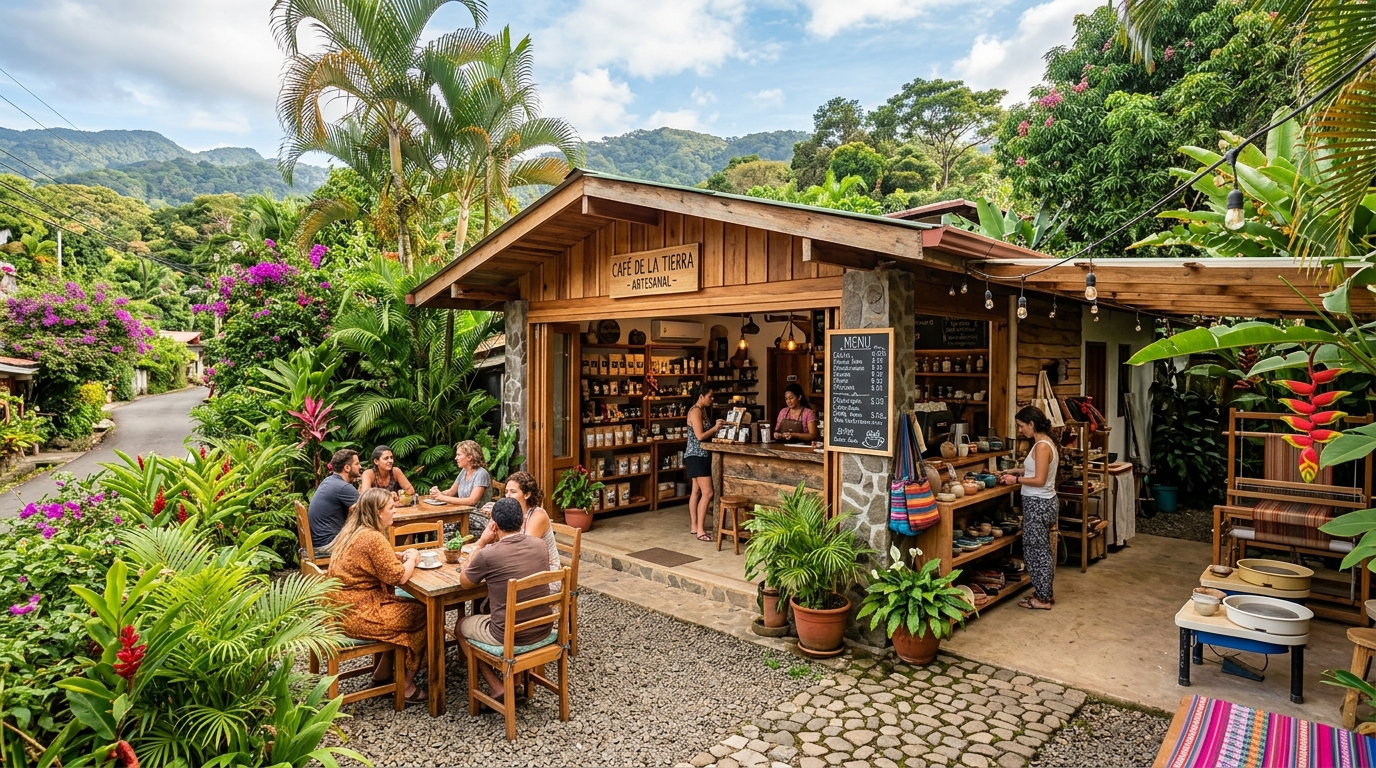
Cover image: AI-generated editorial illustration; it does not depict a verified provider, guest or property.
Frequently Asked Questions
Why are local service providers in Costa Rica difficult to find online?
A provider may rely on private conversations and personal introductions rather than maintaining a public service page. Visitors outside that network can struggle to find the service or understand its scope, location and booking process.
How can local operators get discovered by vacation rental guests and expats?
Local operators can increase their visibility by establishing structured, public profiles on dedicated directories and service marketplaces like WellFred. Clearly outlining your exact service coverage area, specialties, and language abilities helps both property hosts and guests discover you organically.
What information should a local business profile include?
A searchable profile should clearly specify the geographical service zone, defined scopes of work, equipment provided, languages spoken, and standard response windows. Specificity helps clients confirm that your skills match their exact property or personal needs.